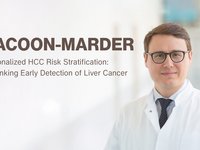
“Making the Invisible Visible”: How RACOON-MARDER Aims to Improve Early Detection of Liver Cancer Using MRI and AI
Hepatocellular carcinoma (HCC) is a potentially deadly tumor. The decisive factor is the timing of diagnosis: if HCC is detected early, there is a chance for complete removal and, in the best case,…
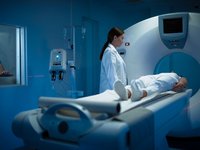
RACOON – Imaging, Data & Collaboration for Better Decisions
Modern radiology faces a central question: how can imaging and clinical data be combined in a way that leads to more precise diagnoses, better-informed decisions, and more individualized…
Rethinking Early Detection: How RACOON-MARDER Aims to Spot Liver Cancer Sooner
Hepatocellular carcinoma (HCC) is often diagnosed too late, limiting treatment options and survival. The RACOON-MARDER project aims to change that. By combining MRI imaging, clinical data, and…

mint Lesion Research Suite: The Flexible Imaging Research Platform Built for Scalable, Single- and Multi-Center Studies
mint Lesion's Research Suite is an advanced imaging research platform designed to support academic teams in streamlining and scaling their imaging studies across single or multiple centers. Built to…


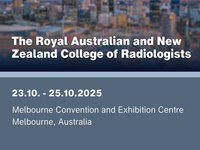
RANZCR 2025
The Royal Australian and New Zealand College of Radiologists Annual Scientific Meetings 2025
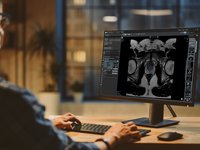
Structured Reporting and AI in Radiology: Efficiency and Quality in Prostate Diagnostics
How are structured reporting and artificial intelligence transforming radiology practice? Prof. Dr. Thorsten Persigehl from University Hospital Cologne shares how mint Lesion makes prostate…

Rare Tumors, Big Goals: How RACOON-SAGA Aims to Improve Therapy Decisions
Rare tumors, major challenges: The RACOON-SAGA project explores how imaging and clinical data can improve the pre-therapeutic characterization of soft tissue sarcomas. In this interview, Dr.…
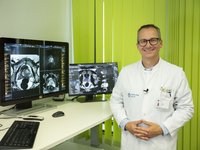
Structured Reporting and Artificial Intelligence in Prostate Diagnostics: An Interview with Prof. Dr. Thorsten Persigehl
What does radiology look like when structured reporting meets artificial intelligence? A look into the daily practice of Prof. Dr. Thorsten Persigehl reveals the answer.