jump to content jump to footer
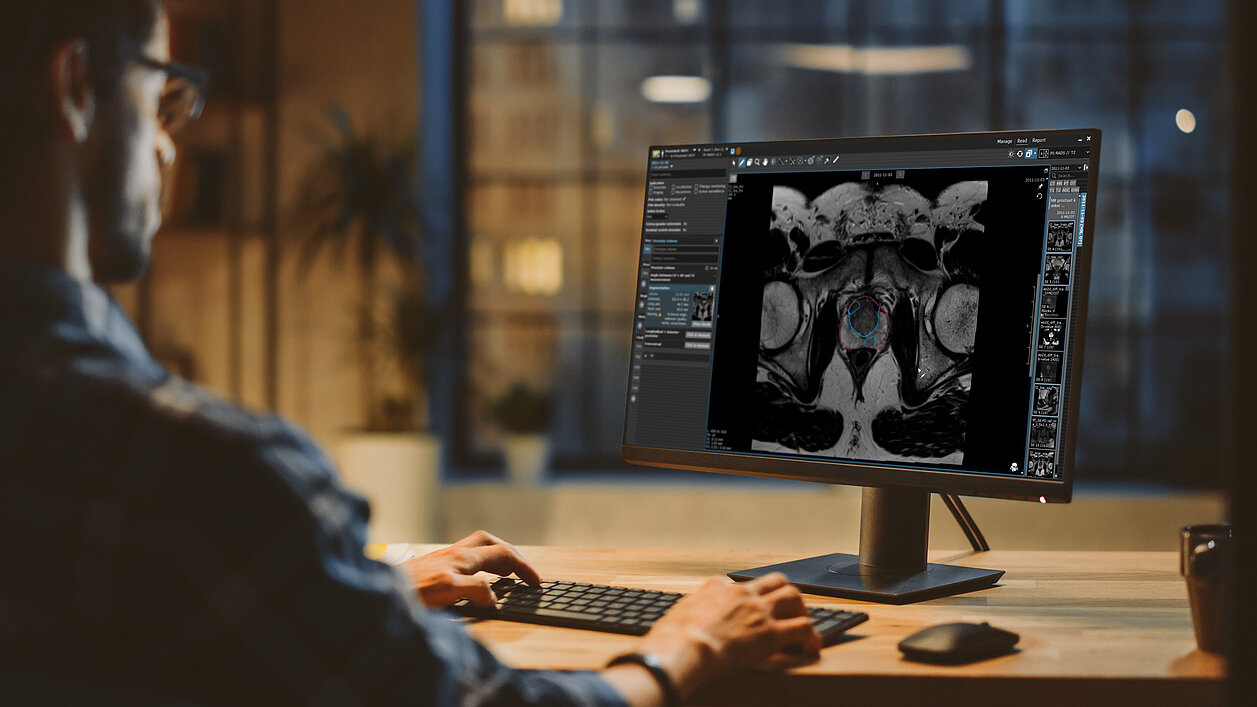
Image of doctor looking at a prostate in mint Lesion.
Prof. Dr. Thorsten Persigehl from University Hospital Cologne discusses the use of structured reporting and AI in prostate diagnostics with mint Lesion.

Structured Reporting and AI in Radiology: Efficiency and Quality in Prostate Diagnostics

How are structured reporting and artificial intelligence transforming radiology practice?

Prof. Dr. Thorsten Persigehl from University Hospital Cologne shares how mint Lesion makes prostate diagnostics more efficient, precise, and connected — and why structured data have become indispensable in his daily routine.
 

Read the full interview here.

From PCWG3 to PCWG4: Evolving Standards in Prostate Cancer Clinical Trials

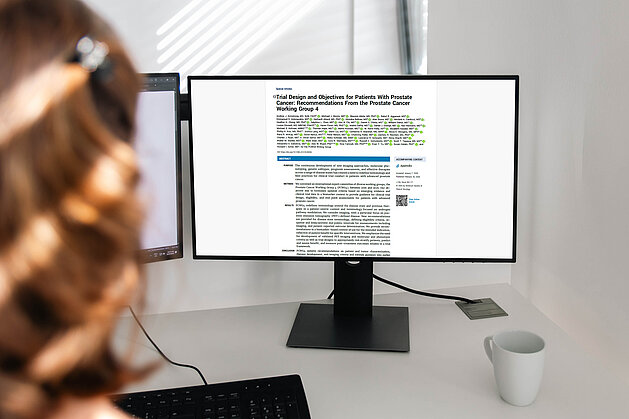
The Prostate Cancer Working Group 4 (PCWG4) updates and extends the recommendations of PCWG3 to reflect a patient-centric approach, the emergence of…

Read more
Mint Medical and mediaire strengthen the prostate cancer care pathway with AI-Powered MRI Solutions

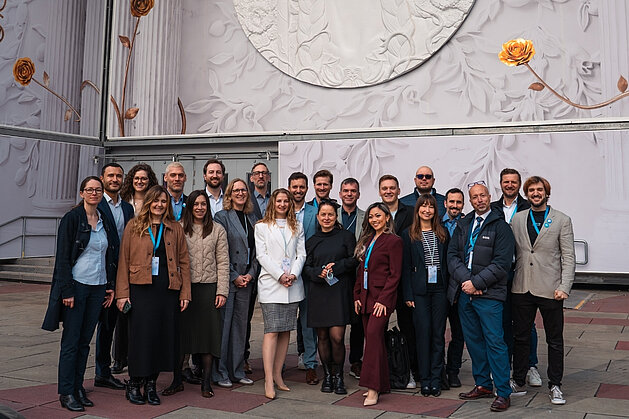
Mint Medical, a Snke company, and mediaire announce a collaboration to advance AI‑powered MRI workflows through the interoperability of mint Lesion…

Read more
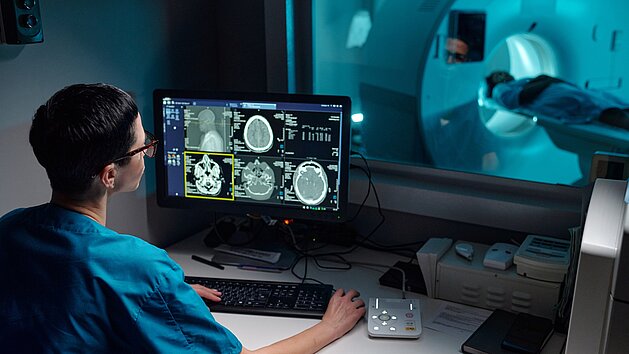
Medical professional reviewing patient's MRI images on computer monitor with patient in MRI machine in background.
TGSE-BLADE demonstrated significantly reduced geometric distortion and artifacts caused by intracranial air, enabling more accurate detection of ischemic changes and improving diagnostic confidence in early postoperative MRI.
Postoperative Brain MRI After Tumor Resection: Reducing Artifacts and Improving Diagnostic Accuracy

Postoperative MRI after brain tumor surgery is often affected by artifacts caused by intracranial air, limiting reliable image interpretation.

A…

Read more
scroll-top