jump to content jump to footer

Categories: Success Story

Integrated prostate cancer workflow connecting radiology, urology, and pathology through structured reporting, MRI-guided biopsy, longitudinal follow-up, and AI-supported analysis.
mint Lesion supports an end-to-end prostate cancer workflow by connecting radiology, urology, and pathology within a unified digital environment. The platform enables structured mpMRI reporting, MRI/ultrasound fusion biopsy workflows, FHIR-based interoperability, active surveillance, and AI-supported quantification of metastatic disease.
Be Central to the Insight: A Structured, Data-Driven Approach to the End-to-End Prostate Pathway
Digital Integration for Multidisciplinary Teams  In the complex journey of prostate cancer diagnostics, the data contributed by every department is…
Read more
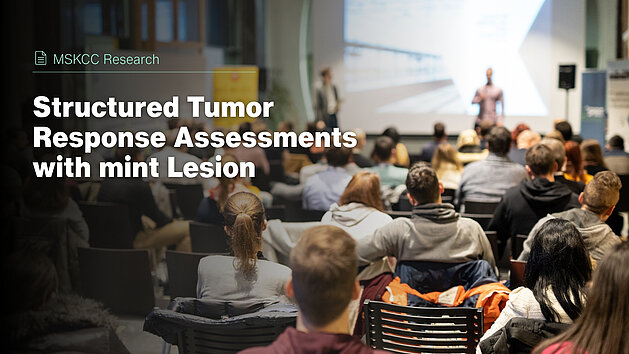
Research poster presentation on standardized tumor response assessments using mint Lesion at the NCCN Annual Conference 2026
Presentation of a research poster by Memorial Sloan Kettering Cancer Center on the use of mint Lesion for structured tumor response assessments and clinical research workflows.
NCCN 2026: Memorial Sloan Kettering Cancer Center Presents Research on Structured Tumor Response Assessments with mint Lesion
Big congratulations to Steven Philemond and Alison Chiaramonte of Memorial Sloan Kettering Cancer Center for presenting their research poster “Use of…
Read more
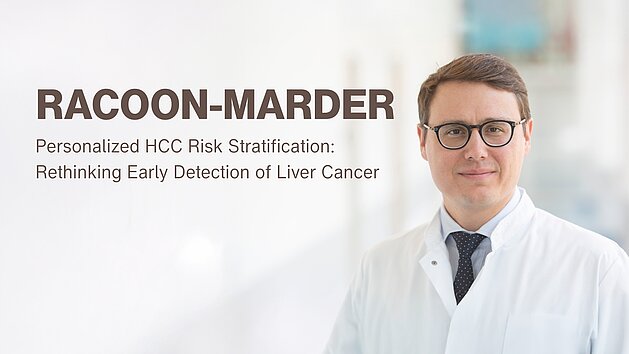
Interview with Prof. Timm Denecke about the RACOON-MARDER project and AI-powered early detection of liver cancer using MRI
An in-depth interview with Prof. Timm Denecke about the RACOON-MARDER project, which aims to predict hepatocellular carcinoma risk using MRI, AI, and clinical data.
“Making the Invisible Visible”: How RACOON-MARDER Aims to Improve Early Detection of Liver Cancer Using MRI and AI
Hepatocellular carcinoma (HCC) is a potentially deadly tumor. The decisive factor is the timing of diagnosis: if HCC is detected early, there is a…
Read more
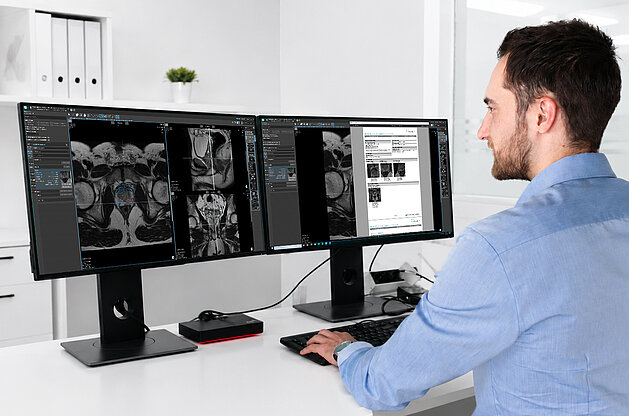
Image of doctor looking at a prostate in mint Lesion.
Prof. Dr. Thorsten Persigehl from University Hospital Cologne discusses the use of structured reporting and AI in prostate diagnostics with mint Lesion.
Structured Reporting and AI in Radiology: Efficiency and Quality in Prostate Diagnostics
How are structured reporting and artificial intelligence transforming radiology practice? Prof. Dr. Thorsten Persigehl from University Hospital…
Read more
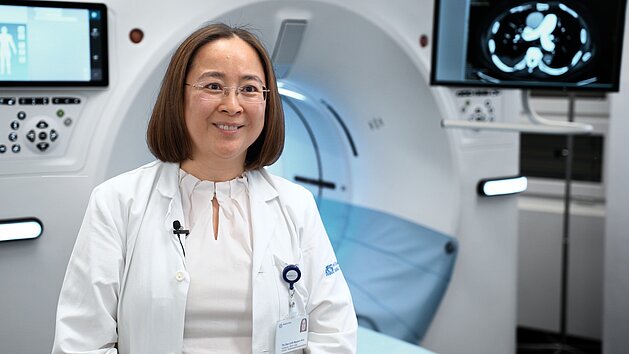
Dr. Madelaine Hettler from University Medical Center Mannheim discusses the RACOON-SAGA project and how it improves sarcoma diagnostics.
The interdisciplinary research project RACOON-SAGA combines functional MRI data and clinical information to enhance the pre-therapeutic characterization of soft tissue sarcomas.
Rare Tumors, Big Goals: How RACOON-SAGA Aims to Improve Therapy Decisions
Rare tumors, major challenges: The RACOON-SAGA project explores how imaging and clinical data can improve the pre-therapeutic characterization of soft…
Read more
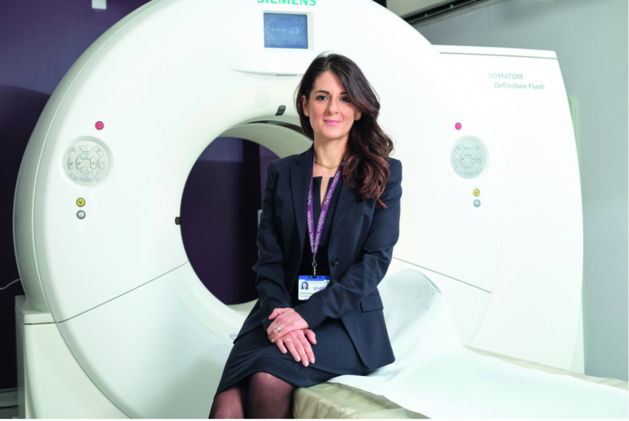
Portrait of Univ.-Prof. Dr. Thorsten Persigehl, expert in oncologic imaging at University Hospital Cologne
“Structured reporting and AI are transforming prostate diagnostics—enhancing precision and efficiency.”
Structured Reporting and Artificial Intelligence in Prostate Diagnostics: An Interview with Prof. Dr. Thorsten Persigehl
What does radiology look like when structured reporting meets artificial intelligence? A look into the daily practice of Prof. Dr. Thorsten Persigehl…
Read more
scroll-top