jump to content jump to footer
Interview with Prof. Timm Denecke about the RACOON-MARDER project and AI-powered early detection of liver cancer using MRI
An in-depth interview with Prof. Timm Denecke about the RACOON-MARDER project

Rethinking Early Detection: How RACOON-MARDER Aims to Spot Liver Cancer Sooner

Hepatocellular carcinoma (HCC) is often diagnosed too late, limiting treatment options and survival. The RACOON-MARDER project aims to change that. By combining MRI imaging, clinical data, and AI-based risk stratification, researchers hope to identify high-risk patients earlier and enable personalized, intensified surveillance beyond what traditional ultrasound can offer.

In this interview, Prof. Dr. Timm Denecke (University Hospital Leipzig) explains how AI can make the invisible visible - and why the RACOON infrastructure is key to advancing liver cancer research.
Read more here.

From PCWG3 to PCWG4: Evolving Standards in Prostate Cancer Clinical Trials

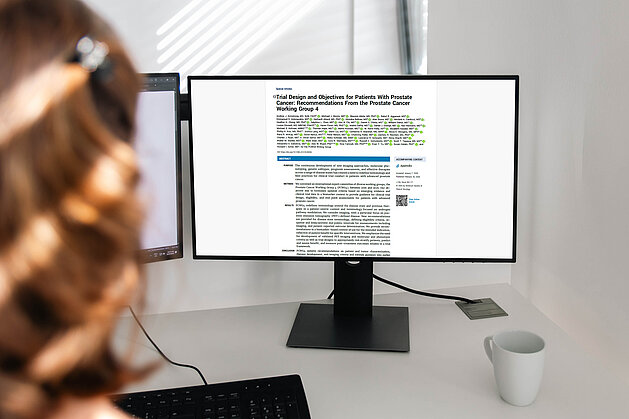
The Prostate Cancer Working Group 4 (PCWG4) updates and extends the recommendations of PCWG3 to reflect a patient-centric approach, the emergence of…

Read more
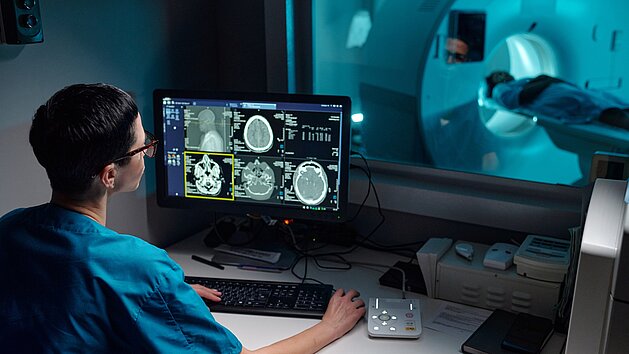
Medical professional reviewing patient's MRI images on computer monitor with patient in MRI machine in background.
TGSE-BLADE demonstrated significantly reduced geometric distortion and artifacts caused by intracranial air, enabling more accurate detection of ischemic changes and improving diagnostic confidence in early postoperative MRI.
Postoperative Brain MRI After Tumor Resection: Reducing Artifacts and Improving Diagnostic Accuracy

Postoperative MRI after brain tumor surgery is often affected by artifacts caused by intracranial air, limiting reliable image interpretation.

A…

Read more
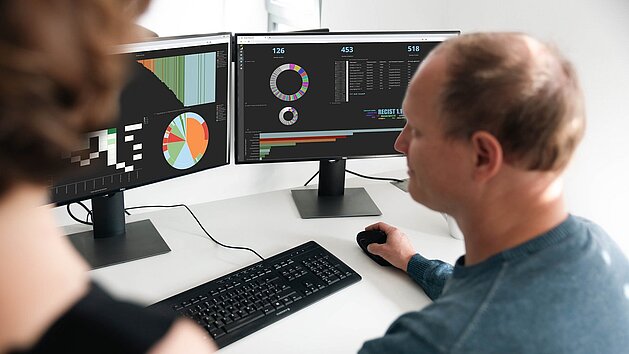
A collaborative session between a radiologist and an investigator analyzing multicentric trial progress and quantitative imaging data on a centralized dashboard.
Integrated Data Management for Multicentric Imaging in Investigator-Initiated Trials (IITs)

Establishing a Framework for Multicentric Data Coordination

For many investigators, the transition from a single-site study to a multicentric model…

Read more
scroll-top