How to improve reading procedures and reduce errors in clinical trials with imaging endpoints

Dr. Laura Oleaga from Hospital Clinìc de Barcelona explains how she and her team have benefitted from implementing mint Lesion™ in the face of an increasing volume of clinical trials. She highlights how standardized reading procedures and reports limit the possibility of errors in clinical trial work, improve the communication between radiology and oncology, and deliver the necessary documentation for trial audits.

 
Moreover, she decsribes the potential that arises by using mint Lesion™ in their clinical routine – extending clinical trial excellence to the routine care of each oncological patient.

Click here or on the image above to watch the full video on YouTube.

Related Resources

Related Resources

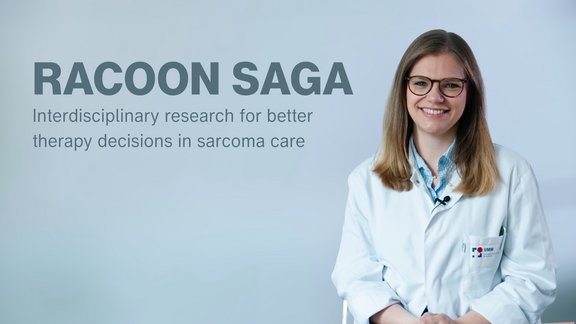
Dr. Madelaine Hettler from University Medical Center Mannheim discusses the RACOON-SAGA project and how it improves sarcoma diagnostics.

Rare Tumors, Big Goals: How RACOON-SAGA Aims to Improve Therapy Decisions

Rare tumors, major challenges: The RACOON-SAGA project explores how imaging and clinical data can improve the pre-therapeutic characterization of soft…

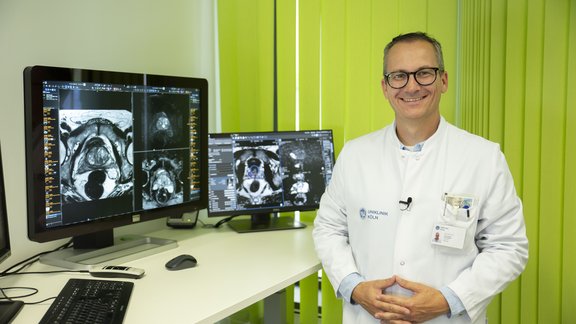
Portrait of Univ.-Prof. Dr. Thorsten Persigehl, expert in oncologic imaging at University Hospital Cologne

Structured Reporting and Artificial Intelligence in Prostate Diagnostics: An Interview with Prof. Dr. Thorsten Persigehl

What does radiology look like when structured reporting meets artificial intelligence? A look into the daily practice of Prof. Dr. Thorsten Persigehl…

Image of Dr. Madelaine Hettler during interview on RACOON-SAGA: interdisciplinary project using MRI parameters (ADC) and clinical data to improve therapy decisions in sarcomas.

RACOON SAGA: Interdisciplinary Research for Better Therapy Decisions in Sarcoma Treatment

Sarcomas are rare tumors that pose particular challenges to both medicine and research. Their heterogeneity makes precise diagnostics difficult, which…