Emily Ferris and Alex Arbuckle describe how using mint Lesion™ has enhanced their clinical trial operations, enabling “a more cooperative approach between [their] radiologists and oncologists” while simultaneously saving time and reducing costs.
Faced with a multitude of clinical trial site reads each day, Ms. Ferris and Mr. Arbuckle explain how they benefit from a more efficient workflow by using a dedicated software platform which provides a comprehensive and compliant response assessment and supports them in maintaining oversight of clinical trial imaging analysis design.
Ms. Ferris is a Lead Image Analyst and Mr. Arbuckle is a Clinical Research Imaging Core Manager at the University of Wisconsin Carbone Cancer Center.
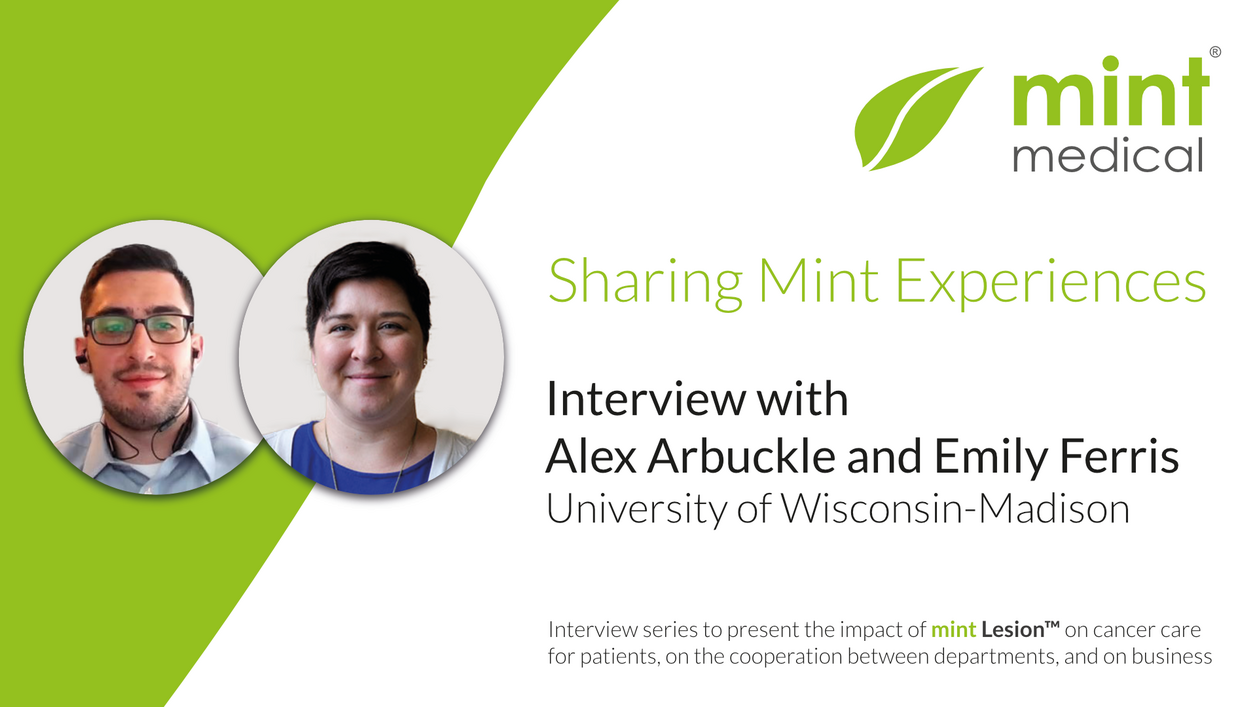
Enhancing flexibility and communication while saving costs and time in clinical trials
Related Resources
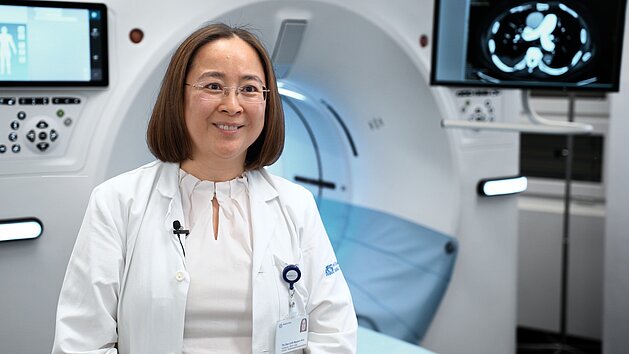
Interview with PD Dr. med. Thi Dan Linh Nguyen-Kim: Structured Reporting in Clinical Practice
In this interview, PD Dr. med. Thi Dan Linh Nguyen-Kim, Head of Department and Institute Director of Radiology and Nuclear Medicine at Stadtspital…
Read more
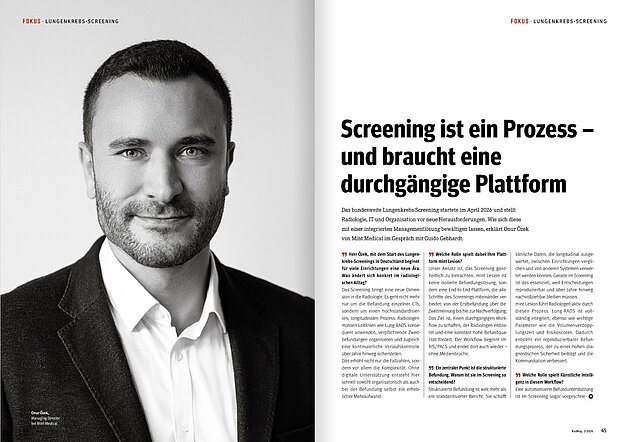
RadMag Special Edition: Onur Özek on the Challenges of Lung Cancer Screening in Germany
With the nationwide rollout of Germany’s lung cancer screening, radiology providers are facing new challenges. Structured reporting, mandatory second…
Read more
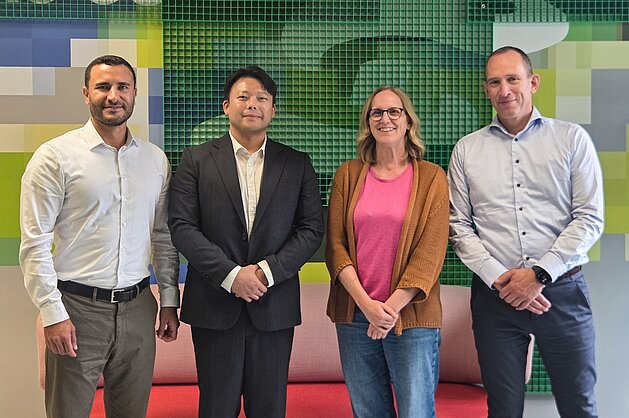
Coreline Soft and Mint Medical Announce Partnership to Advance AI-Enabled Lung Cancer Screening
Coreline Soft and Mint Medical today announced a partnership to advance AI-enabled lung cancer screening, following more than six months of technical…
Read more