Objective, reproducible, and trustworthy data in clinical trials with imaging endpoints

Dr. Anthony Tolcher, medical oncologist and CEO of NEXT Oncology, spoke to us about objectivity as one of the biggest challenges in clinical trials and how a software solution for tumor assessment can improve the quality and reproducibility of data, all while saving time.

Moreover, such software solutions are a key aspect for the approval of novel drugs based on small sample size – like for example targeted or tissue agnostic medicine, as a significant advance for precision therapies. Dr. Tolcher describes how mint Lesion™ assists in generating trustworthy data, “so that [one] can ensure that the drugs that are getting approved really do work.”
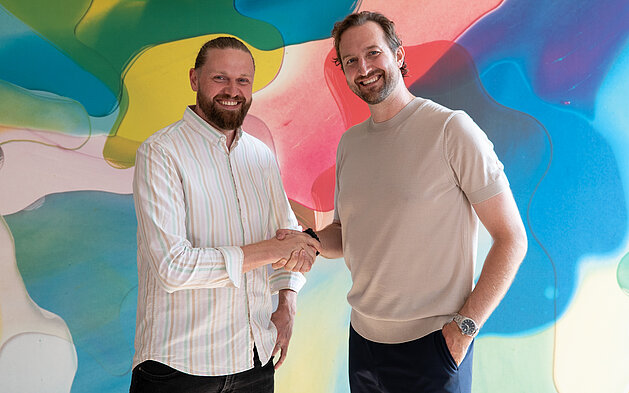
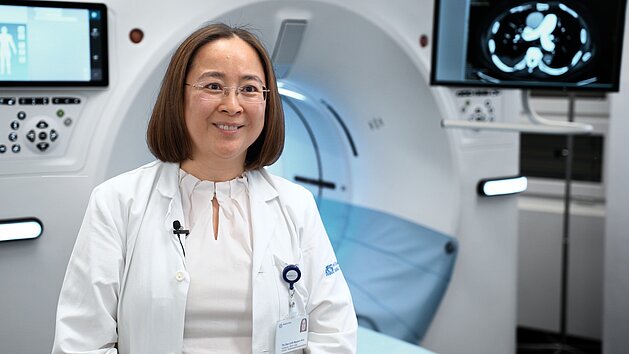
Click here or on the image above to watch the full video on YouTube.

Related Resources

Related Resources

Participants at the RECIST and Beyond workshop in Cologne during hands-on training with mint Lesion for structured tumor response assessment.

Successful “RECIST and Beyond” Workshop in Cologne: Advancing Precision in Oncologic Imaging

How can complex tumor findings be assessed accurately, reproducibly, and in line with clinical guidelines?

Screenshot of the mint Lesion interface showing RANO 2.0 configuration, tumor burden calculations, and structured neuro-oncology assessment tools.

Implementing RANO 2.0 for Neuro-Oncology Clinical Trials in mint Lesion

Tumor response assessment in neuro-oncology clinical trials requires careful attention to measurement protocols and confirmation scan requirements. To…

Image of a patient getting an MRI scan, signifying how RACOON projects in Germany show how imaging, structured reporting, and AI jointly advance clinical research.

RACOON – Imaging, Data & Collaboration for Better Decisions

Modern radiology faces a central question: how can imaging and clinical data be combined in a way that leads to more precise diagnoses,…