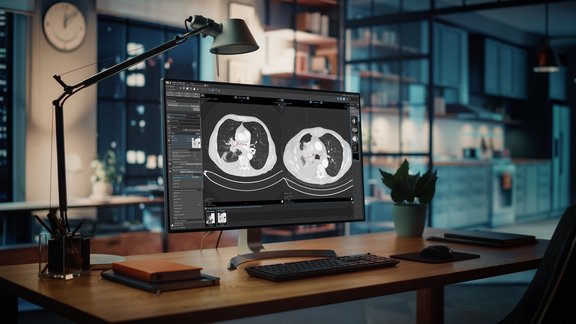
The Prostate Cancer Working Group 4 (PCWG4) updates and extends the recommendations of PCWG3 to reflect a patient-centric approach, the emergence of advanced imaging technologies, and the need for serial biological profiling in an evolving therapeutic landscape.
Key Transitions in PCWG4
1. Revised Nomenclature and Disease Modeling
PCWG4 transitions from traditional "clinical state" models toward a therapeutic indication model. This involves replacing terms like "castrate-resistant" (CRPC) with language focused on Androgen Pathway Modulation (APM).
APM-naïve (APMN)
APM-sensitive (APMS)
APM-resistant (APMR)
2. Integration of PSMA-PET Imaging
While CT and bone scans remain the standard for progression criteria, PCWG4 formally incorporates PSMA-PET for staging and evaluating disease distribution. The PCWG4 working group specifies that PET-based progression should be defined by new lesions rather than changes in SUV (Standardized Uptake Value).
3. Updated Bone Scintigraphy Progression Rules
To support the identification of rapidly progressing disease, PCWG4 introduces the "≥ 6 Lesions" Rule.
If a restaging scan identifies six (6) or more new bone lesions relative to the first on-treatment scan, a confirmatory scan is no longer required.
For five or fewer new lesions, the PCWG3 "confirmation rules apply.
4. Serial Biological Profiling and Patient-Centricity
PCWG4 advises dynamic characterization through metastatic or liquid biopsies at the start of therapy and upon progression to capture lineage plasticity and actionable alterations. Furthermore, the update focuses on Patient-Reported Outcomes (PROs) and increasing diversity in trial enrollment.
5. Earlier Disease States
The guidelines extend recommendations into earlier disease states, including APM-naïve/sensitive disease and settings where disease is detectable only by PET (nonmetastatic or PET-only settings).
For further details and the complete framework, please refer to the original publication1: DOI: 10.1200/JCO-25-02834
1 Andrew J. Armstrong et al. Trial Design and Objectives for Patients With Prostate Cancer: Recommendations From the Prostate Cancer Working Group 4. J Clin Oncol (2026)