The Knowledge Hub for Medical Imaging Professionals: Transforming Radiology with Structured Reporting, Data-Driven Approaches and Multicentric Research

Access breakthrough research, innovative case studies and collaborative projects advancing radiology worldwide. Dive into our activities and product updates, and learn who we are as a company and as a team.

Hands holding a glass lung to evoke image of lung cancer

Comparison of iRECIST and RECIST 1.1 for Evaluating Immunotherapy in Melanoma and Non-Small Cell Lung Cancer

In a retrospective study conducted at the University Hospital Cologne, the radiological criteria iRECIST and RECIST 1.1 were compared for assessing treatment response in melanoma and NSCLC patients receiving immune checkpoint inhibitors.

The results indicate that iRECIST is better suited for capturing atypical treatment responses to immunotherapies, especially in patients experiencing pseudoprogression. iRECIST could thus contribute to a more accurate evaluation of treatment response and improved immunotherapy outcomes.
Read more about the study here.

Related Resources

Related Resources

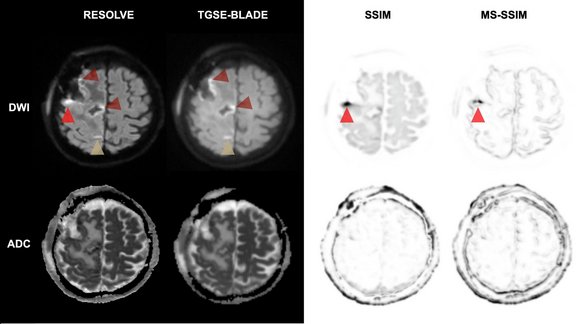
Postoperative brain tumor MRI comparing TGSE-BLADE and RESOLVE DWI showing distortion reduction near resection site

Improving Postoperative Brain Tumor MRI: TGSE-BLADE vs. RESOLVE DWI

Early MRI scans are critical for patients who have just undergone brain tumor resection to evaluate the surgery's success and plan future treatments.…

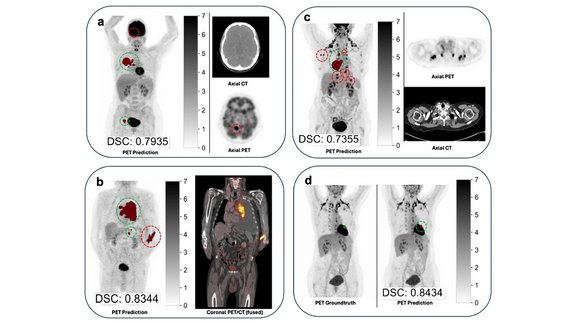
PET scans of torso with relevant false positives highlighted by red dotted circles, true positives in green

LMU University Hospital: Artificial Intelligence for TNM Staging in NSCLC – How Reliable Are AI-Based Segmentations?

The recent study “Artificial intelligence for TNM staging in NSCLC – a critical appraisal of segmentation utility in [¹⁸F]FDG PET/CT” provides a…

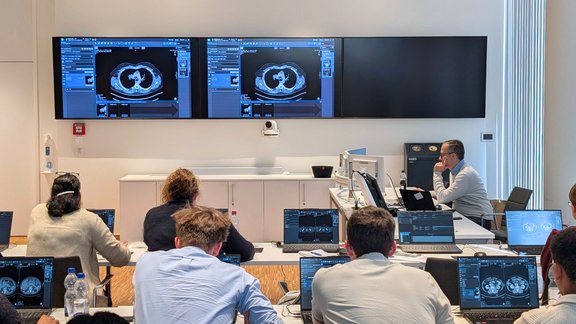
Participants at the RECIST and Beyond workshop in Cologne during hands-on training with mint Lesion for structured tumor response assessment.

Successful “RECIST and Beyond” Workshop in Cologne: Advancing Precision in Oncologic Imaging

How can complex tumor findings be assessed accurately, reproducibly, and in line with clinical guidelines?