jump to content jump to footer

Structured Reporting Improves TNM Classification Accuracy and Radiologist Satisfaction

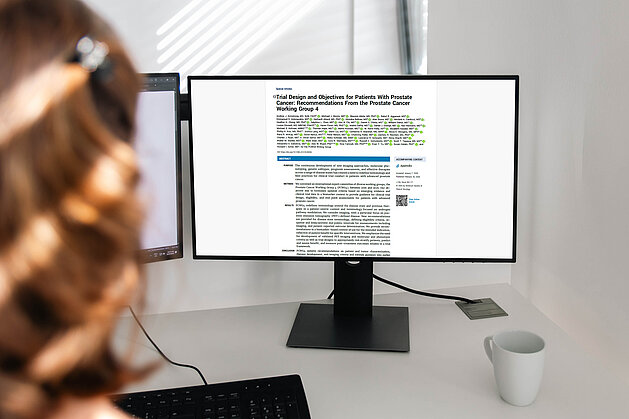
In a collaborative, multi-center study, radiology experts developed and validated in mint Lesion a software-assisted structured reporting (SR) framework for non-small cell lung cancer (NSCLC) staging.

Findings revealed that SR significantly improved TNM classification accuracy, reducing common errors in T-, N-, and M-staging compared to traditional free-text reports. Radiologists using SR were more likely to classify cases correctly and rated the tool highly for enhancing report quality, completeness, and interdisciplinary communication. This study suggests that SR may not only improve clinical accuracy but also support data standardization for future lung cancer research.

Read a summary of the study here.

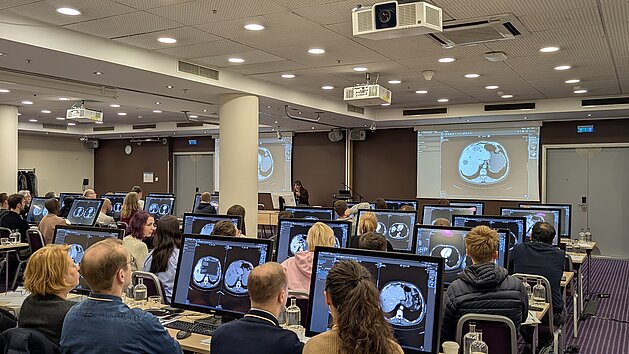
Dr. Madelaine Hettler from University Medical Center Mannheim discusses the RACOON-SAGA project and how it improves sarcoma diagnostics.
The interdisciplinary research project RACOON-SAGA combines functional MRI data and clinical information to enhance the pre-therapeutic characterization of soft tissue sarcomas.
Rare Tumors, Big Goals: How RACOON-SAGA Aims to Improve Therapy Decisions

Rare tumors, major challenges: The RACOON-SAGA project explores how imaging and clinical data can improve the pre-therapeutic characterization of soft…

Read more
Standardizing Oncological Imaging: The BORN Project

The BZKF BORN Project (Bavarian Oncological Radiology Network) is setting new standards in the collection and evaluation of oncological imaging data.…

Read more
Leave No Data Behind: Commitment to Data Excellence

At Mint Medical, we understand data as a cornerstone for improving patient care and groundbreaking research. Our mission is clear: Leave No Data…

Read more
scroll-top