jump to content jump to footer
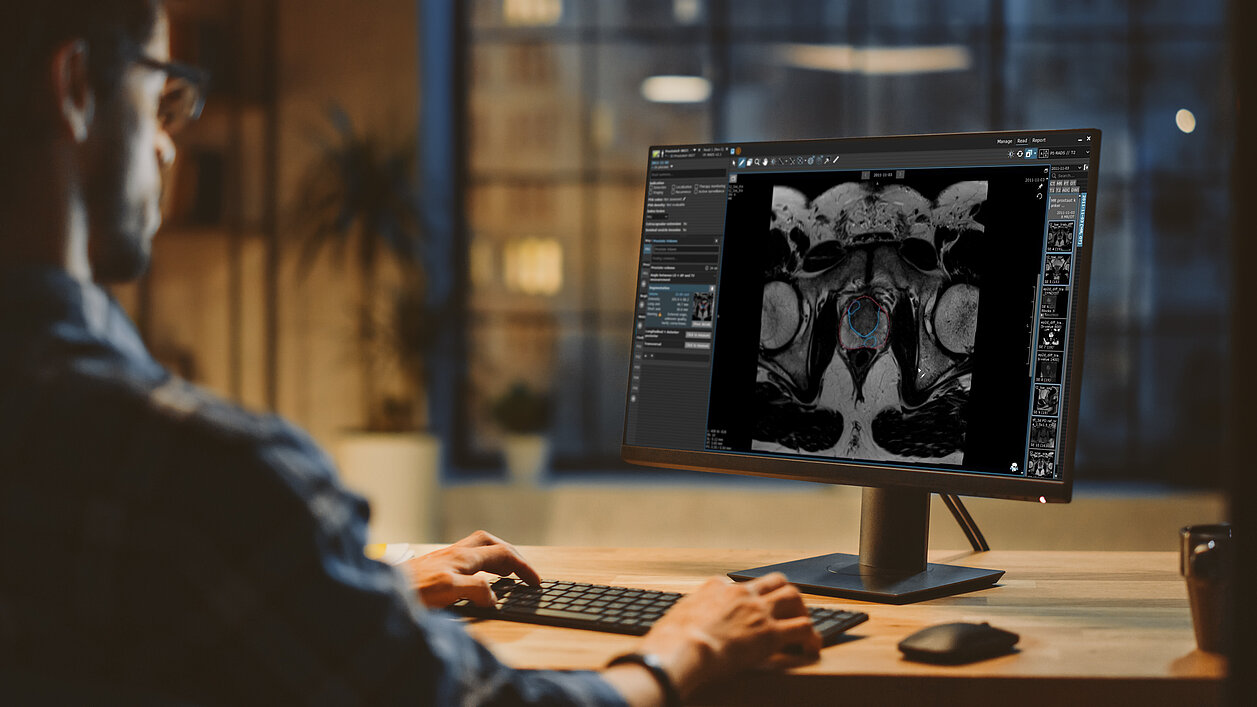
Image of doctor looking at a prostate in mint Lesion.

Structured Reporting and AI in Radiology: Efficiency and Quality in Prostate Diagnostics

How are structured reporting and artificial intelligence transforming radiology practice?

Prof. Dr. Thorsten Persigehl from University Hospital Cologne shares how mint Lesion makes prostate diagnostics more efficient, precise, and connected — and why structured data have become indispensable in his daily routine.
 

Read the full interview here.

mint Lesion: lesion categorization under the radiologic recurrence criteria for adjuvant trials
Radiologic recurrence criteria for adjuvant clinical trials in bladder cancer
Radiologic Recurrence Criteria for Adjuvant Clinical Trials in Bladder Cancer
After radical surgery, there is no measurable disease left to follow. A consensus framework defines when a finding on a surveillance scan counts as…
Read more
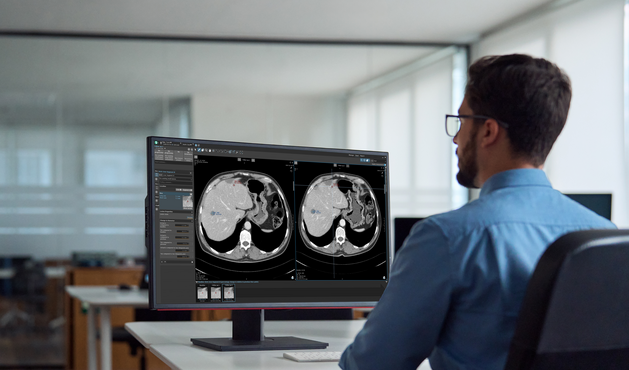
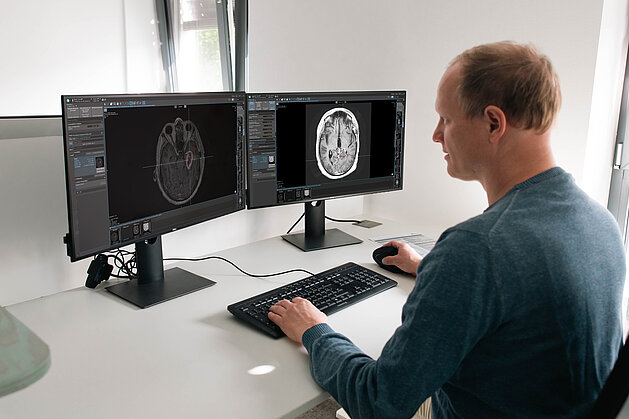
Radiologist reviewing a glioma MRI case in mint Lesion, with AI-based brain tumor segmentation from Snke (in development)
Consistent Glioma MRI Reporting with mint Lesion
In neuro-oncology, imaging assessments directly shape treatment decisions. For example, under RANO 2.0, whether a follow-up MRI is classified as…
Read more
Portrait of Ralf Heyder, head of the NUM Coordination Office at Charité, interviewed at the RACOON Research Days in Tübingen
Ralf Heyder, head of the NUM Coordination Office at Charité, interviewed at the RACOON Research Days in Tübingen
RACOON in the Network University Medicine – Ralf Heyder on collaborative imaging research
How Germany’s university hospitals built a shared platform for radiological imaging data, and what comes next In early October 2026, representatives…
Read more
scroll-top