jump to content jump to footer

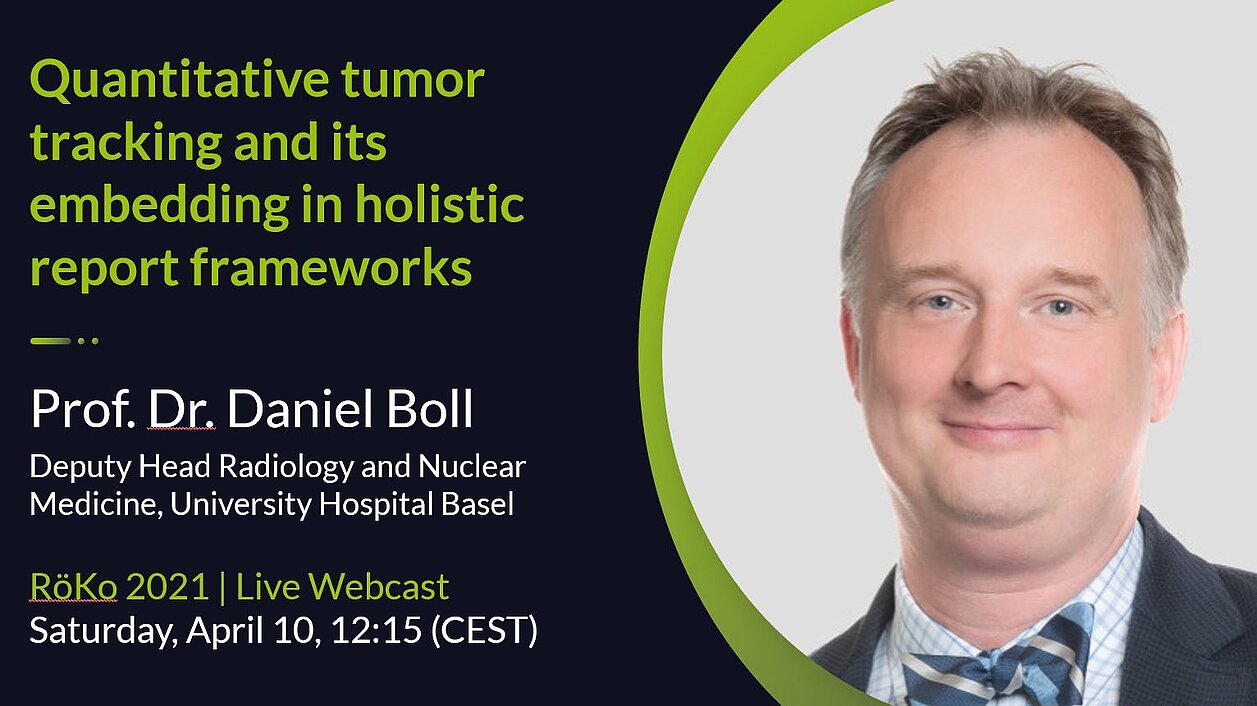
Quantitative Tumorbegleitung und ihre Einbettung in holistische Befundstrukturen (Only in German)

Wie können die Ergebnisse software-unterstützter Tumorbeurteilung gewinnbringend in die Routine-Kommunikation mit den klinischen Zuweisern und Patienten einfließen? Herr Prof. Dr. Daniel Boll, Stv. Chefarzt der Klinik für Radiologie und Nuklearmedizin am Unispital Basel, teilt seine langjährige Erfahrung und gewährt Ihnen einen Einblick in die alltägliche Arbeit mit strukturierter Befundung in der klinischen Routine. Ganz konkret zeigt er, wie aus den erhobenen Befundelementen übersichtliche, ganzheitliche und ästhetische Befundstrukturen entstehen. Darüber hinaus wirft Herr Prof. Dr. Boll auch einen Blick in die Zukunft und beschreibt, welche Potentiale ein integrierender Befundungsansatz bietet.
 

Centralized Management for Clinical Trial Communications and Workflows
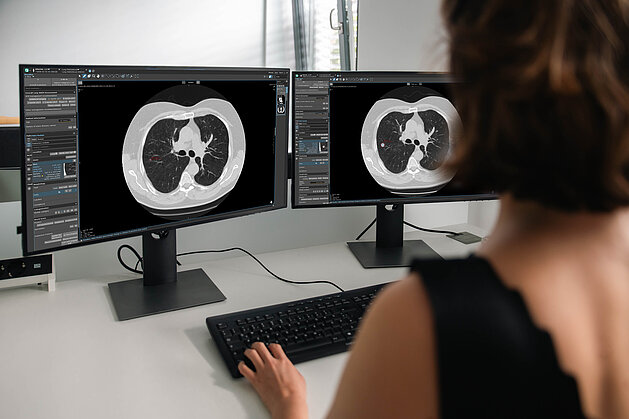
Requests for radiological clinical trial evaluations frequently rely on fragmented methods such as emails, phone calls, and spreadsheets. This…
Read more
mint Lesion usage during a clinical trial read, featuring the TGRM export tool.
Bridging the Gap Between RECIST and Survival: Why the FDA’s Analysis of the g Value is a Game-Changer
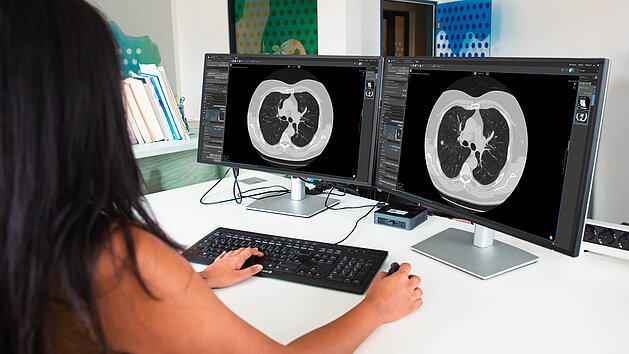
For decades, oncology trials have relied on RECIST 1.1 to evaluate drug efficacy. However, these categorical "snapshot" evaluations do not always…
Read more
Participants at the RECIST and Beyond workshop in Cologne during hands-on training with mint Lesion for structured tumor response assessment.
The two-day “RECIST and Beyond” workshop at radCIO Cologne offered intensive hands-on training on RECIST, iRECIST, mRECIST and LI-RADS, with real-case reporting performed directly in mint Lesion.
Successful “RECIST and Beyond” Workshop in Cologne: Advancing Precision in Oncologic Imaging
How can complex tumor findings be assessed accurately, reproducibly, and in line with clinical guidelines?
Read more
scroll-top