Prof. Dr. Hans-Christoph Becker from Stanford University, a long-standing user of mint Lesion™, shares his experience of using the software in this brief interview. He talks about the reaction he received when sharing the mint report for the first time, how patients benefit from the longitudinal overview of disease, and his plans to use the structured data for AI research.
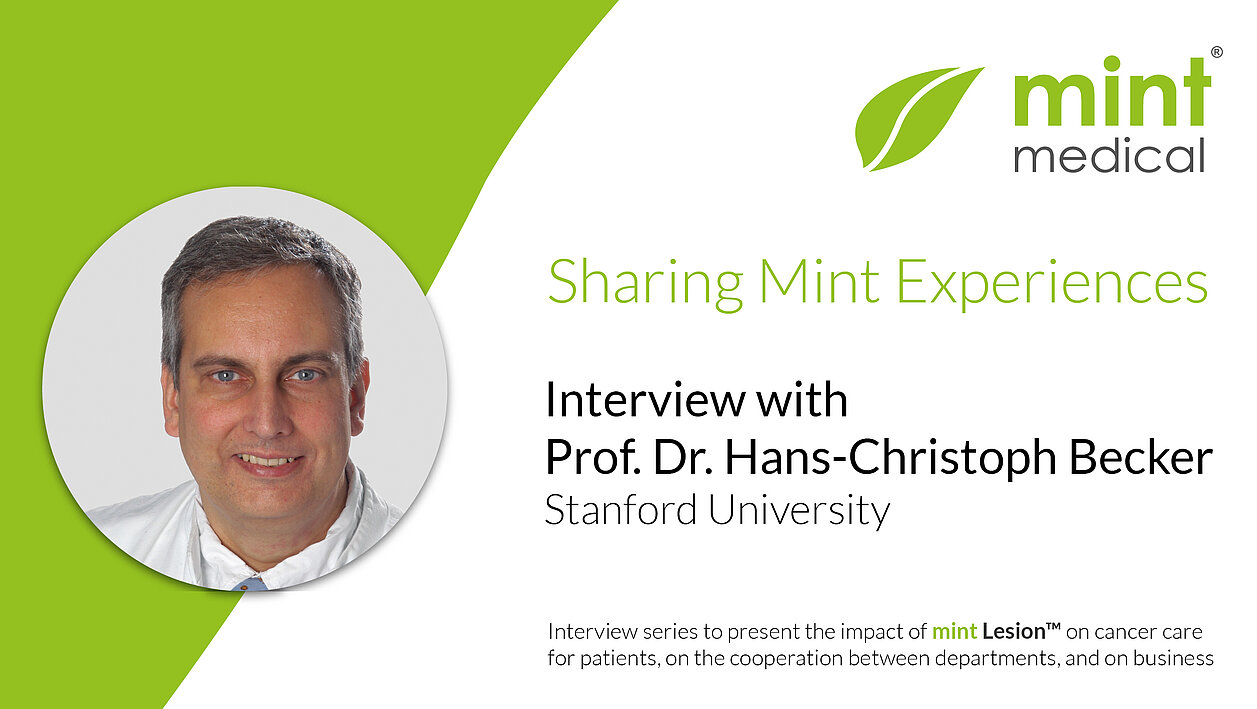
Potential of longitudinal data from single site and multi-center clinical trials for AI-research
Related Resources
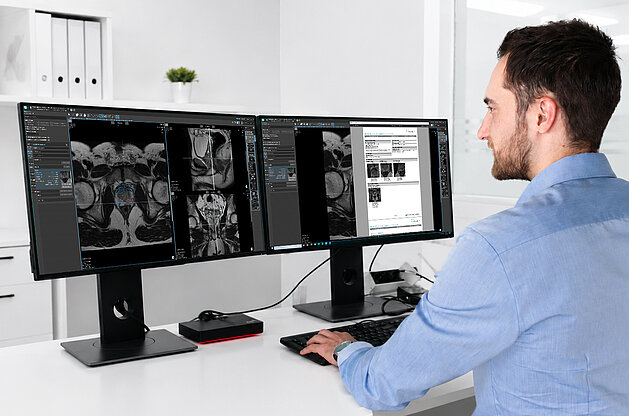
Be Central to the Insight: A Structured, Data-Driven Approach Across the Prostate Pathway
Digital Integration for Multidisciplinary Teams
In the complex journey of prostate cancer diagnostics, the data contributed by every department is…
Read more
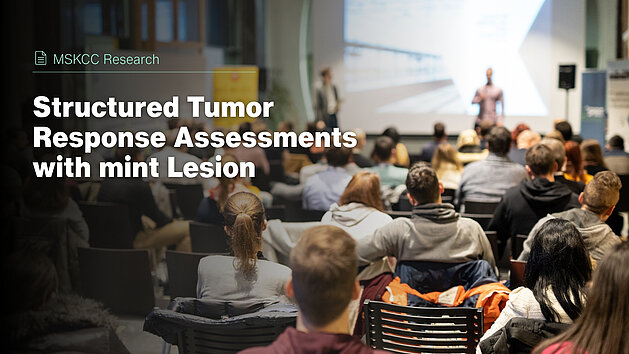
NCCN 2026: Memorial Sloan Kettering Cancer Center Presents Research on Structured Tumor Response Assessments with mint Lesion
Big congratulations to Steven Philemond and Alison Chiaramonte of Memorial Sloan Kettering Cancer Center for presenting their research poster “Use of…
Read more
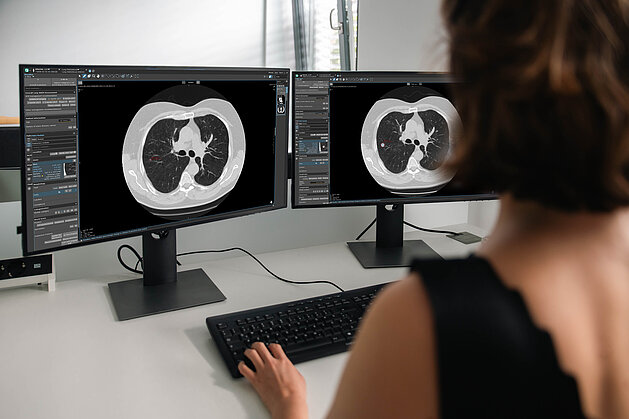
How Radiology Practices Can Participate in Germany’s Lung Cancer Screening Program with mint Lesion
New opportunities - but also economic uncertainty
With the launch of lung cancer screening (LCS) in Germany, radiology practices are facing a new…
Read more