jump to content jump to footer

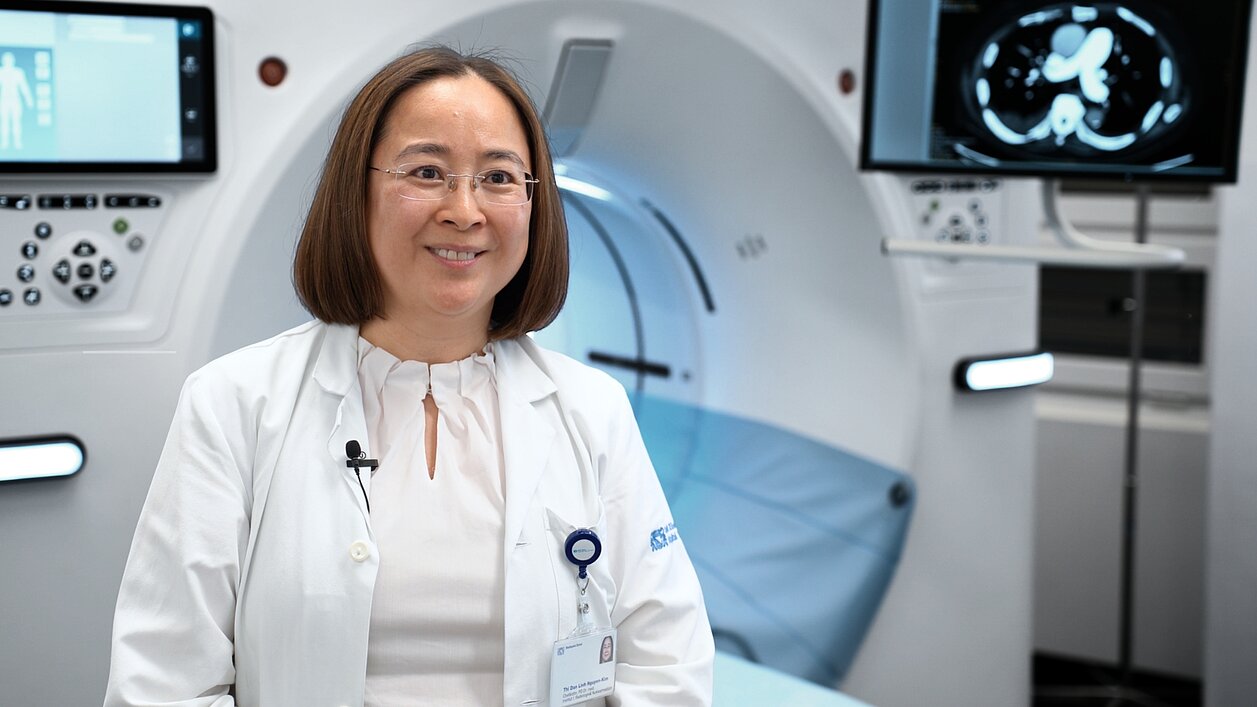
Interview with PD Dr. med. Thi Dan Linh Nguyen-Kim: Structured Reporting in Clinical Practice

In this interview, PD Dr. med. Thi Dan Linh Nguyen-Kim, Head of Department and Institute Director of Radiology and Nuclear Medicine at Stadtspital Zürich, shares her perspective on the value of structured reporting in daily clinical practice. 

She discusses why she decided to bring mint Lesion from the academic research environment to Stadtspital Zürich and explains how clarity, structure, and transparent communication support modern oncology care. 

Learn how structured, data-driven workflows help radiologists communicate complex findings, support multidisciplinary collaboration, and enable informed treatment decisions throughout the patient journey. 

Topics covered in this interview: 

  • Structured reporting in clinical routine
  • Quality assurance in radiology
  • Communication between radiologists and clinical partners
  • Oncology imaging and therapy response assessment
  • Data-driven workflows
  • mint Lesion in clinical practice and research
Explore Dr. Nguyen-Kim's perspective on structured reporting, data-driven workflows, and multidisciplinary collaboration.

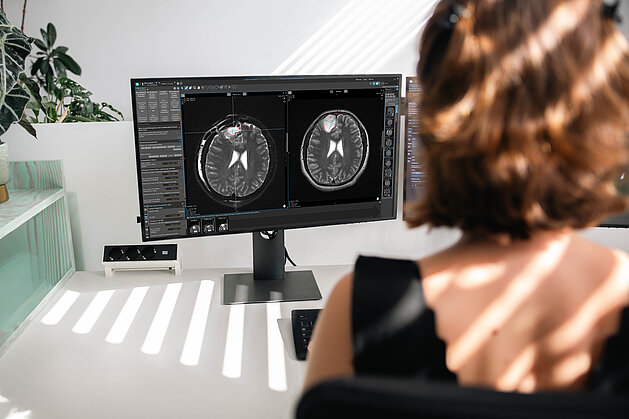
Screenshot of the mint Lesion interface showing RANO 2.0 configuration, tumor burden calculations, and structured neuro-oncology assessment tools.
mint Lesion fully supports RANO 2.0 implementation with configurable parameters, automated tumor burden calculations, and structured workflows for neuro-oncology clinical trials.
Implementing RANO 2.0 for Neuro-Oncology Clinical Trials in mint Lesion
Tumor response assessment in neuro-oncology clinical trials requires careful attention to measurement protocols and confirmation scan requirements. To…
Read more
Image of a patient getting an MRI scan, signifying how RACOON projects in Germany show how imaging, structured reporting, and AI jointly advance clinical research.
Overview of major RACOON projects in radiology and clinical research.
RACOON – Imaging, Data & Collaboration for Better Decisions
Modern radiology faces a central question: how can imaging and clinical data be combined in a way that leads to more precise diagnoses,…
Read more
Interview with Prof. Timm Denecke about the RACOON-MARDER project and AI-powered early detection of liver cancer using MRI
An in-depth interview with Prof. Timm Denecke about the RACOON-MARDER project
Rethinking Early Detection: How RACOON-MARDER Aims to Spot Liver Cancer Sooner
Hepatocellular carcinoma (HCC) is often diagnosed too late, limiting treatment options and survival. The RACOON-MARDER project aims to change that. By…
Read more
scroll-top