jump to content jump to footer
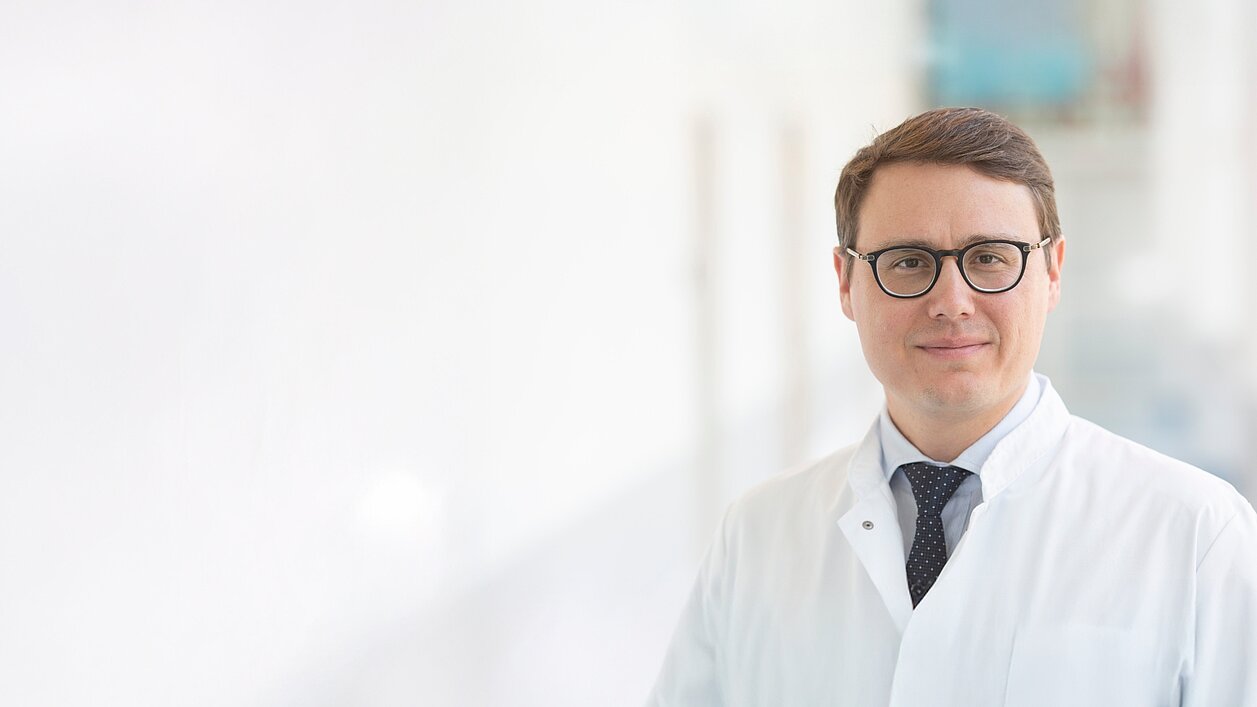
Interview with Prof. Timm Denecke about the RACOON-MARDER project and AI-powered early detection of liver cancer using MRI
An in-depth interview with Prof. Timm Denecke about the RACOON-MARDER project

Rethinking Early Detection: How RACOON-MARDER Aims to Spot Liver Cancer Sooner

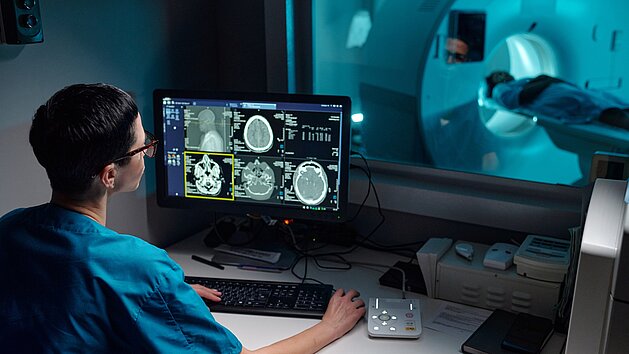
Hepatocellular carcinoma (HCC) is often diagnosed too late, limiting treatment options and survival. The RACOON-MARDER project aims to change that. By combining MRI imaging, clinical data, and AI-based risk stratification, researchers hope to identify high-risk patients earlier and enable personalized, intensified surveillance beyond what traditional ultrasound can offer.

In this interview, Prof. Dr. Timm Denecke (University Hospital Leipzig) explains how AI can make the invisible visible - and why the RACOON infrastructure is key to advancing liver cancer research.
Read more here.

Human-AI Collaboration in Prostate Cancer Diagnosis

As prostate cancer diagnosis becomes increasingly complex, the collaboration between human expertise and artificial intelligence (AI) is emerging as a…

Read more
Customizable reading templates for therapy response assessment

mint Lesion offers customizable reading templates for therapy response assessment in clinical care and research. Adapt parameters, define lesion…

Read more
Insights into the BZKF BORN-Project – Interview with Dr. Mandy Wahlbuhl-Becker

The Bavarian Oncological Radiology Network (BORN) is enhancing cancer diagnostics in Bavaria through standardized imaging and structured reporting. 

Read more
scroll-top