jump to content jump to footer
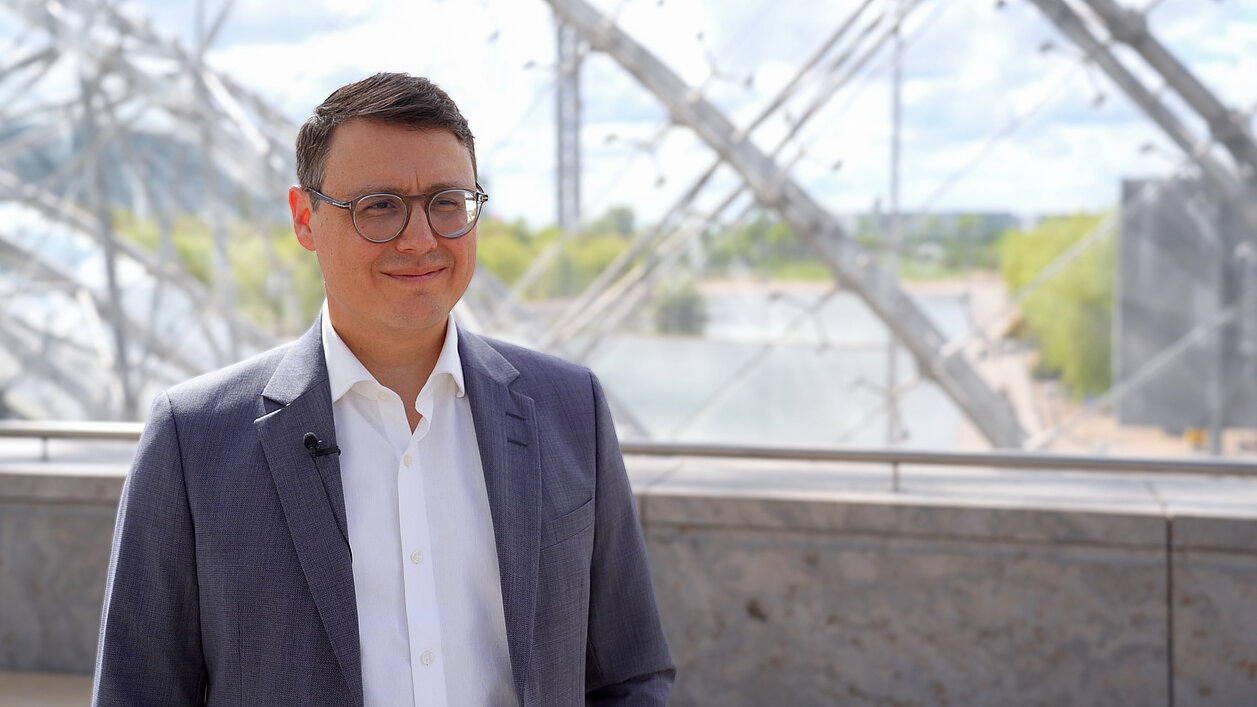
Prof. Dr. Timm Denecke discusses AI-based early detection of liver cancer at RÖKO 2026

Predicting hepatocellular carcinoma (HCC) before it develops: Artificial Intelligence meets MRI

At RÖKO 2026, we spoke with Prof. Dr. Timm Denecke, Director of Radiology at Leipzig University Hospital, about RACOON-MARDER, a research project using artificial intelligence to detect the earliest imaging signs of hepatocellular carcinoma (HCC) in high-risk patients. By training AI on structured MRI data from across Germany's university hospitals, the project aims to identify which patients truly need intensive screening — and catch liver cancer before it becomes cancer. Mint Medical is proud to support this research as a technical network partner.

Read the full interview to find out how AI could reshape liver cancer screening.

Or watch the video interview with Prof. Denecke on Youtube. 

Image of doctor looking at a prostate in mint Lesion.
Prof. Dr. Thorsten Persigehl from University Hospital Cologne discusses the use of structured reporting and AI in prostate diagnostics with mint Lesion.
Structured Reporting and AI in Radiology: Efficiency and Quality in Prostate Diagnostics
How are structured reporting and artificial intelligence transforming radiology practice? Prof. Dr. Thorsten Persigehl from University Hospital…
Read more
Dr. Madelaine Hettler from University Medical Center Mannheim discusses the RACOON-SAGA project and how it improves sarcoma diagnostics.
The interdisciplinary research project RACOON-SAGA combines functional MRI data and clinical information to enhance the pre-therapeutic characterization of soft tissue sarcomas.
Rare Tumors, Big Goals: How RACOON-SAGA Aims to Improve Therapy Decisions
Rare tumors, major challenges: The RACOON-SAGA project explores how imaging and clinical data can improve the pre-therapeutic characterization of soft…
Read more
The Template Designer in Use: Interview with Dr. Madelaine Hettler
Structured, well-organized data are the foundation of meaningful research. But how can they be captured effectively in practice? Dr. Madelaine…
Read more
scroll-top