Dr. Nils Grosse Hokamp shares his experience of using mint Lesion™ at the University Hospital Cologne in this brief interview. He talks about how they have expanded their usage of mint Lesion™ over the years, how it has changed their clinical studies, and his view on the potential of structured data for research.
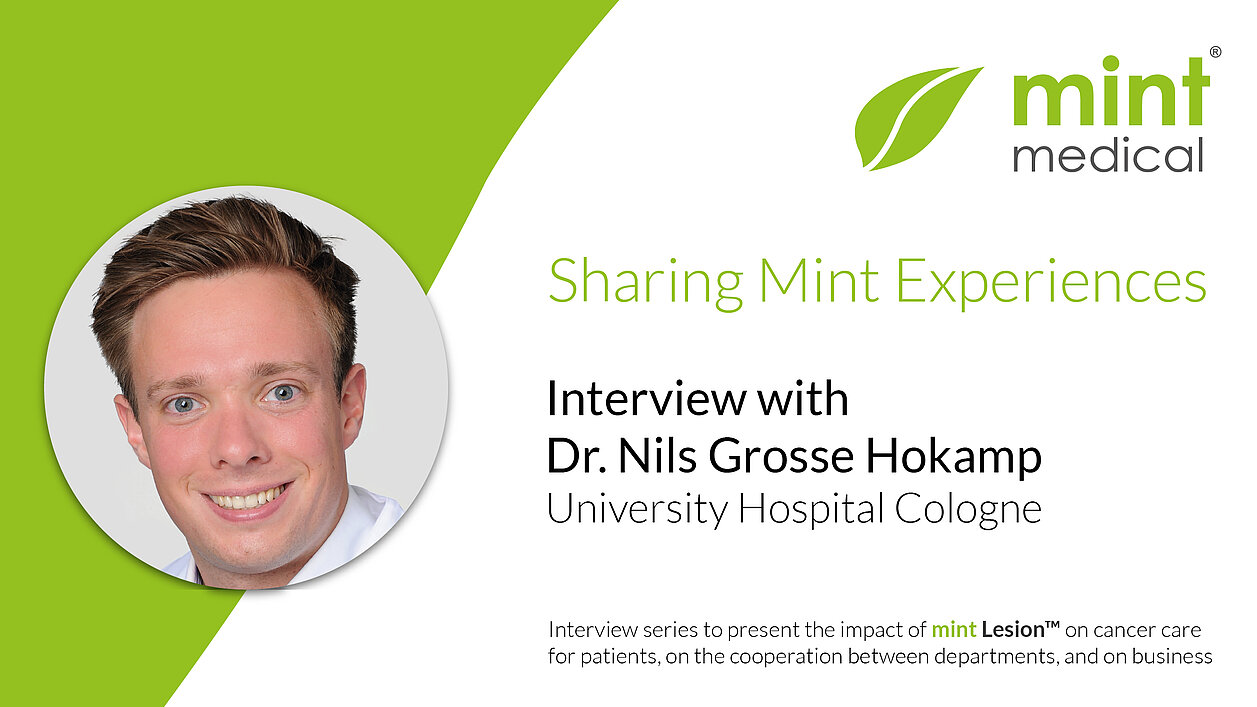
Potential of using structured data from clinical trials and routine for AI and radiomics research
Related Resources
From PCWG3 to PCWG4: Evolving Standards in Prostate Cancer Clinical Trials
The Prostate Cancer Working Group 4 (PCWG4) updates and extends the recommendations of PCWG3 to reflect a patient-centric approach, the emergence of…
Mint Medical and mediaire strengthen the prostate cancer care pathway with AI-Powered MRI Solutions
Mint Medical, a Snke company, and mediaire announce a collaboration to advance AI‑powered MRI workflows through the interoperability of mint Lesion…
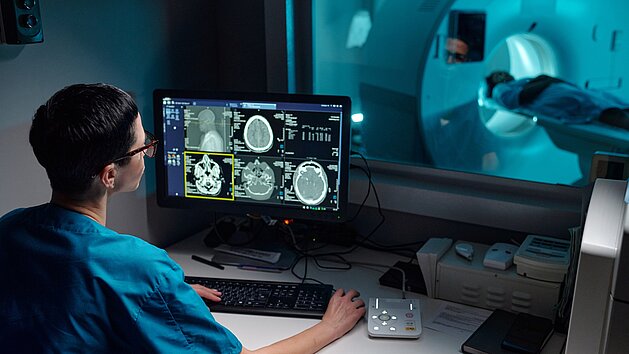
Postoperative Brain MRI After Tumor Resection: Reducing Artifacts and Improving Diagnostic Accuracy
Postoperative MRI after brain tumor surgery is often affected by artifacts caused by intracranial air, limiting reliable image interpretation.
A…