Requests for radiological clinical trial evaluations are often handled through emails, phone calls, and spreadsheets. This fragmented approach can lead to communication delays, misunderstandings, and gaps in traceability.
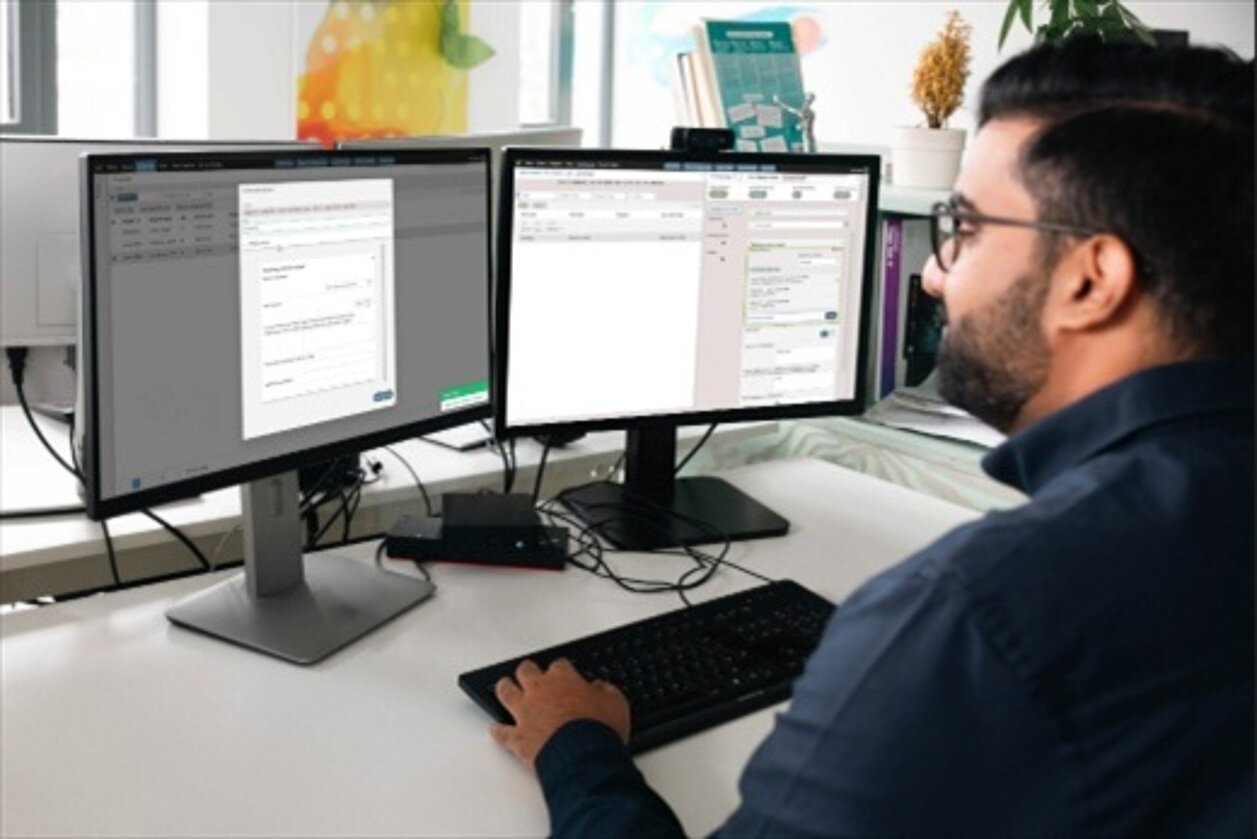
With the Clinical Trial Request Portal in mint Lesion, study teams at hospitals request trial reads from their radiology department directly in a web browser. Radiologists receive the requests in mint Lesion and perform the read there, so request, read, and approval stay connected in one system. By consolidating trial communications and workflows, the system helps with:
- Streamlined Communication: Connects radiology and trial teams in one shared workspace, designed to reduce administrative overhead.
- Traceability: Documents read requests, queries, and report approvals in a traceable digital record.
- Status Tracking: Lets study teams follow each read request from submission to completed read, without follow-up calls or emails.
- Protocol Alignment: Supports structured workflows aligned with the trial protocol to help maintain data quality.
To further support site operations, the portal includes tools for:
- Patient and Trial Management: Manage trial patients and plan their reads along the visit schedule.
- Task Delegation: Assign roles and tasks to team members, including CRCs, radiologists, and PIs.
- Query Management: Create, receive, and resolve queries within the system, with the communication history kept on record.
- Notifications: Automatic email alerts for updates and new requests, plus chat alerts depending on the site’s IT environment.
- Web-Based PI Sign-Off: Digital documentation of approvals.
By bringing these functions together in a single web-based environment, research sites can organize trial administration in one place. This centralized framework supports consistent data management and provides visibility across the evaluation workflow.