jump to content jump to footer
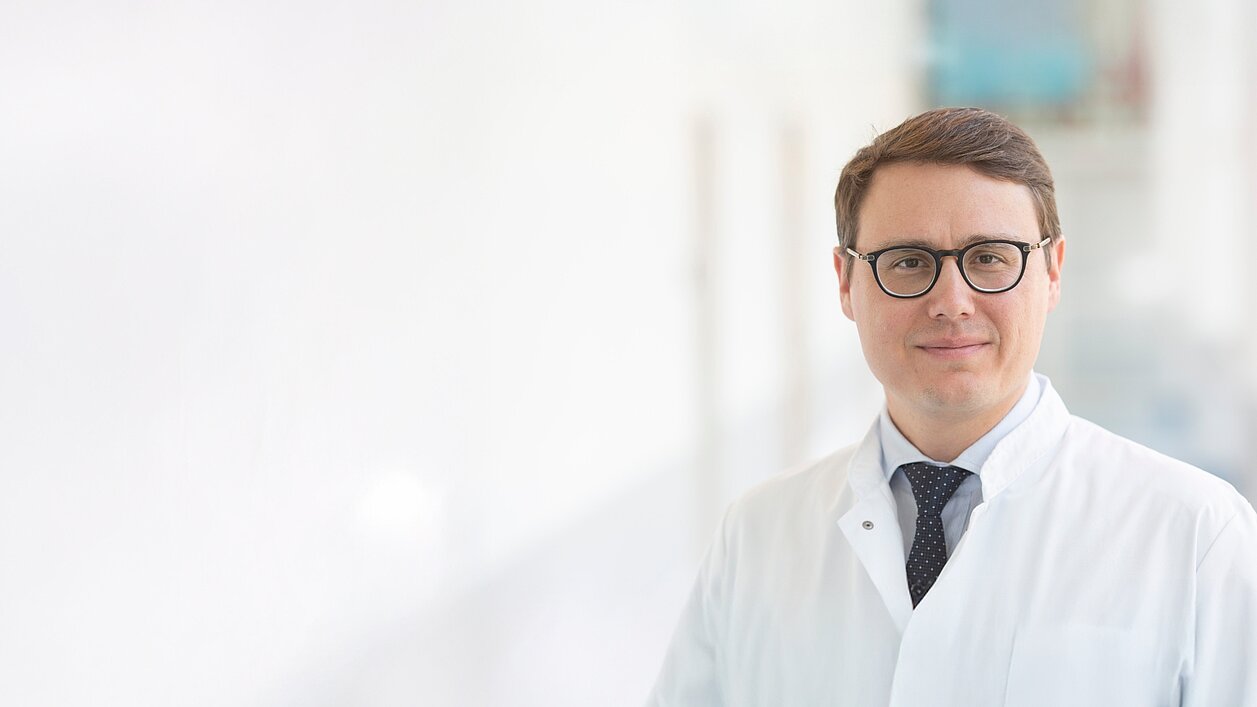
Interview with Prof. Timm Denecke about the RACOON-MARDER project and AI-powered early detection of liver cancer using MRI
An in-depth interview with Prof. Timm Denecke about the RACOON-MARDER project

Rethinking Early Detection: How RACOON-MARDER Aims to Spot Liver Cancer Sooner

Hepatocellular carcinoma (HCC) is often diagnosed too late, limiting treatment options and survival. The RACOON-MARDER project aims to change that. By combining MRI imaging, clinical data, and AI-based risk stratification, researchers hope to identify high-risk patients earlier and enable personalized, intensified surveillance beyond what traditional ultrasound can offer.

In this interview, Prof. Dr. Timm Denecke (University Hospital Leipzig) explains how AI can make the invisible visible - and why the RACOON infrastructure is key to advancing liver cancer research.


Read more here.

Developing Standardized Reporting Templates for Sarcomas: Insights from Prof. Dr. Wolfgang Kunz

Sarcomas are a rare and heterogeneous group of malignant tumors that pose significant challenges in both diagnosis and treatment. Within the framework…

Read more
RACOON FADEN Project Tackles Early Detection of Adenomyosis

Endometriosis is a vastly under-researched condition affecting women, but it is finally receiving the attention it deserves through the RACOON FADEN

Read more
Use of Multiparametric MRI in Prostate Cancer Treatments: A Prospective Study

The prospective study conducted by LMU Klinikum München investigates the effectiveness of vascular-targeted photodynamic therapy (VTP) and…

Read more
scroll-top