jump to content jump to footer
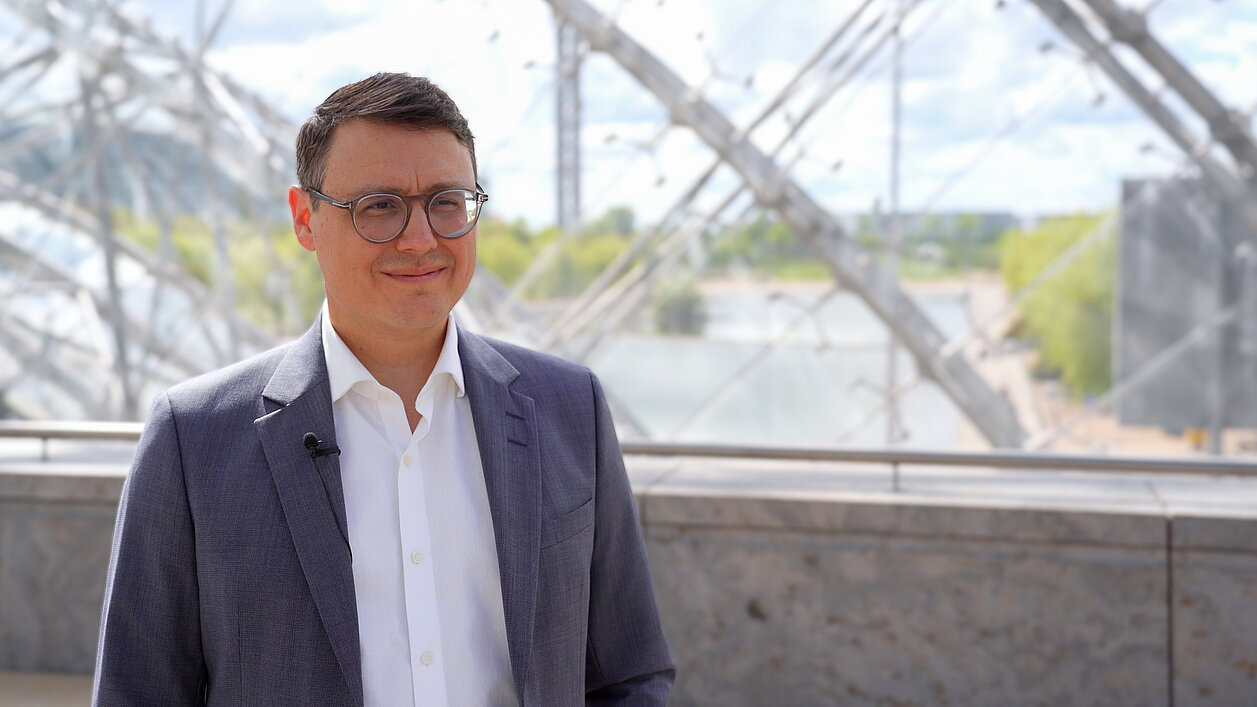
Prof. Dr. Timm Denecke discusses AI-based early detection of liver cancer at RÖKO 2026

Predicting hepatocellular carcinoma (HCC) before it develops: Artificial Intelligence meets MRI

At RÖKO 2026, we spoke with Prof. Dr. Timm Denecke, Director of Radiology at Leipzig University Hospital, about RACOON-MARDER, a research project using artificial intelligence to detect the earliest imaging signs of hepatocellular carcinoma (HCC) in high-risk patients. By training AI on structured MRI data from across Germany's university hospitals, the project aims to identify which patients truly need intensive screening — and catch liver cancer before it becomes cancer. Mint Medical is proud to support this research as a technical network partner.

Read the full interview to find out how AI could reshape liver cancer screening.

Or watch the video interview with Prof. Denecke on Youtube. 
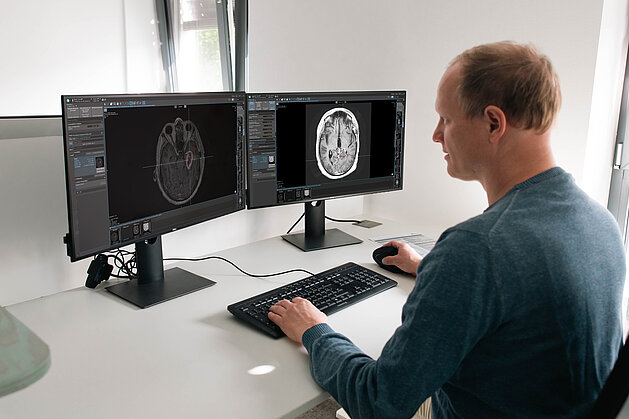
Radiologist reviewing a glioma MRI case in mint Lesion, with AI-based brain tumor segmentation from Snke (in development)
Consistent Glioma MRI Reporting with mint Lesion
In neuro-oncology, imaging assessments directly shape treatment decisions. For example, under RANO 2.0, whether a follow-up MRI is classified as…
Read more
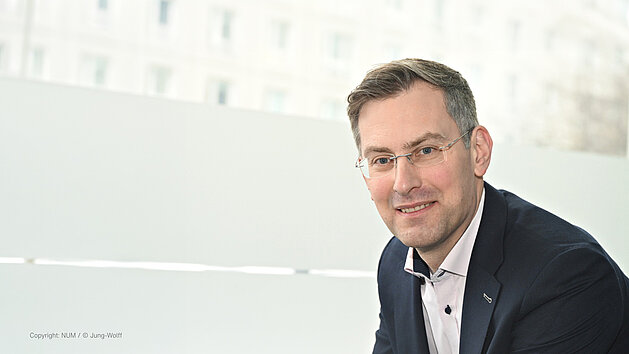
Portrait of Ralf Heyder, head of the NUM Coordination Office at Charité, interviewed at the RACOON Research Days in Tübingen
Ralf Heyder, head of the NUM Coordination Office at Charité, interviewed at the RACOON Research Days in Tübingen
RACOON in the Network University Medicine – Ralf Heyder on collaborative imaging research
How Germany’s university hospitals built a shared platform for radiological imaging data, and what comes next In early October 2026, representatives…
Read more
How Does FHIR Integration Work?
FHIR (Fast Healthcare Interoperability Resources) integration enables healthcare systems to exchange structured clinical data in real time using a…
Read more
scroll-top