Dr. Nils Grosse Hokamp shares his experience of using mint Lesion™ at the University Hospital Cologne in this brief interview. He talks about how they have expanded their usage of mint Lesion™ over the years, how it has changed their clinical studies, and his view on the potential of structured data for research.
Potential of using structured data from clinical trials and routine for AI and radiomics research
Related Resources
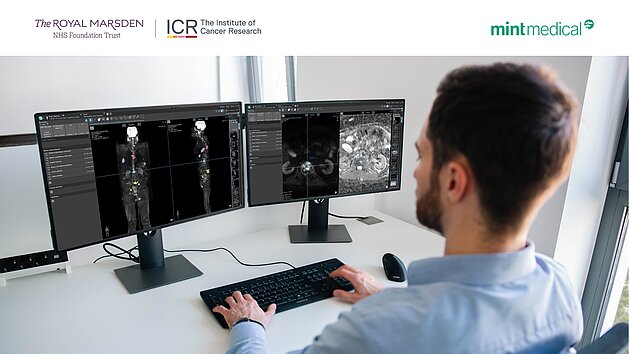
The ICR and The Royal Marsden work with Mint Medical to integrate AI-powered software into cancer treatment
The Institute of Cancer Research (ICR), London, and The Royal Marsden NHS Foundation Trust have announced a new licensing agreement with MedTech…
Read more
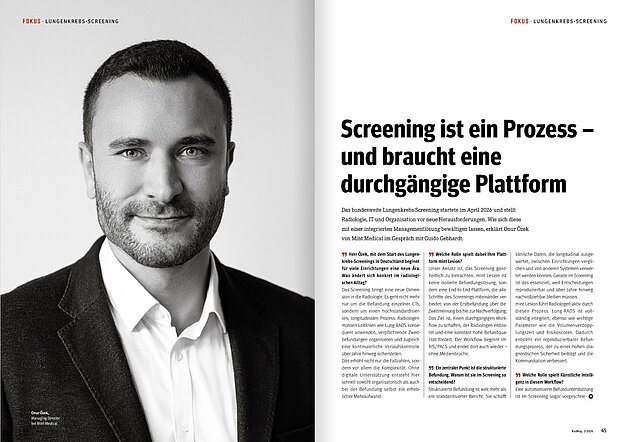
RadMag Special Edition: Onur Özek on the Challenges of Lung Cancer Screening in Germany
With the nationwide rollout of Germany’s lung cancer screening, radiology providers are facing new challenges. Structured reporting, mandatory second…
Read more
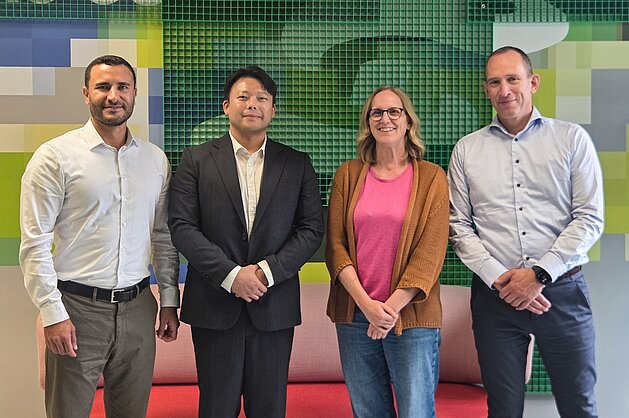
Coreline Soft and Mint Medical Announce Partnership to Advance AI-Enabled Lung Cancer Screening
Coreline Soft and Mint Medical today announced a partnership to advance AI-enabled lung cancer screening, following more than six months of technical…
Read more